Eat Seasonal: the simplest “upgrade” that makes food taste better (and shopping easier)

Eat Seasonal: the simplest “upgrade” that makes food taste better (and shopping easier)

Eat Seasonal: the simplest “upgrade” that makes food taste better (and shopping easier)

Eat Seasonal: the simplest “upgrade” that makes food taste better (and shopping easier)

Eat Seasonal: the simplest “upgrade” that makes food taste better (and shopping easier)

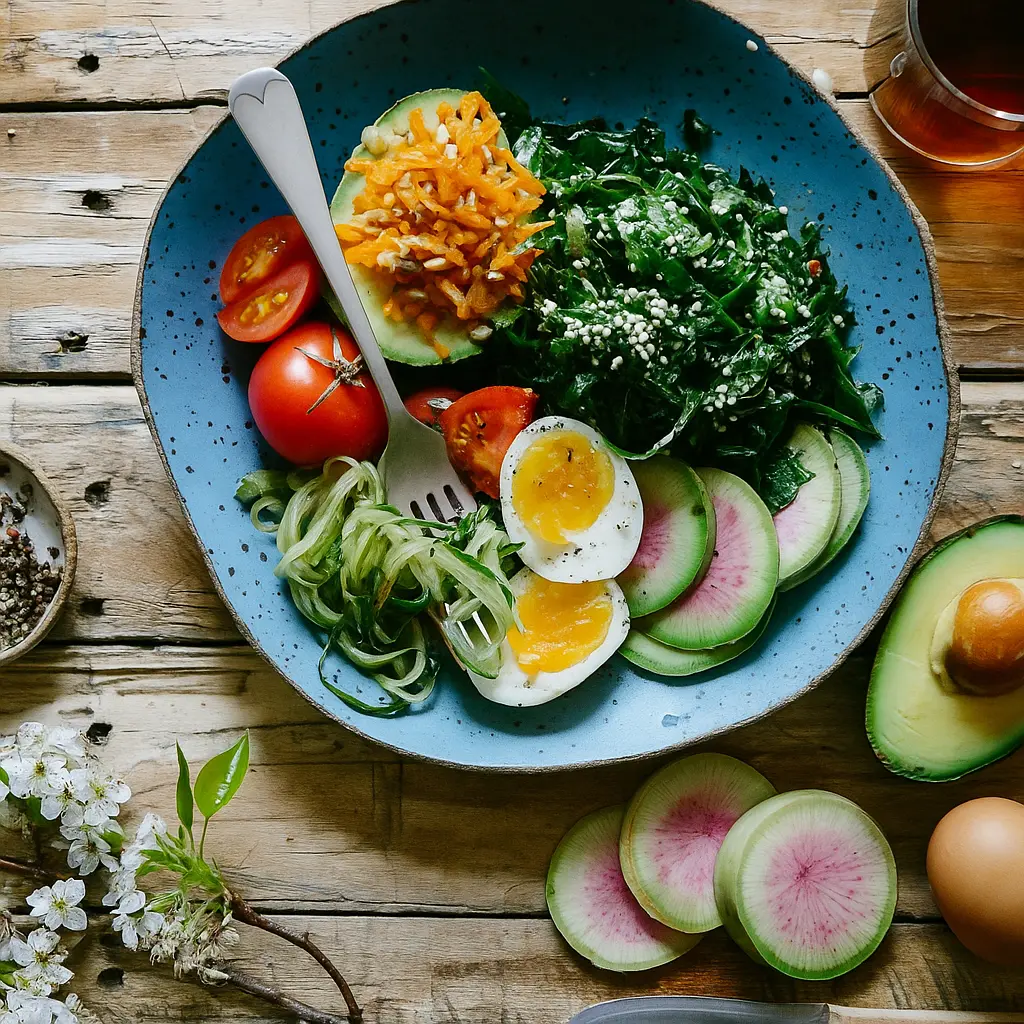
When you eat seasonal produce, you’re basically saying: “Give me what’s naturally at its best right now.” As you explore fruits and veggies throughout the year, with the reminder that what’s seasonal can vary by region and weather, and that fresh, frozen, canned, and dried all count.

Why eating seasonal matters (beyond the hype)

1) Better flavor + better odds of consistency
Seasonal produce is usually harvested closer to peak ripeness. Translation: it tends to taste better, which makes it easier to actually stick with eating more whole foods.

2) More variety without overthinking
Seasonal eating naturally “rotates” your nutrients and plant compounds. Instead of forcing the same foods every week, your grocery cart changes with the year—without needing a complicated plan.

3) It makes healthy feel easier When you walk into a store or market and focus on what’s “in season,” decision fatigue drops. You’re not trying to choose from everything—just what’s most likely to be good right now.

4) Budget-friendly (often) When something is in season, supply tends to be higher—so prices are often lower (not always, but often enough to matter).


Seasonal fruit lists (from the USDA SNAP-Ed guide)

Note: these are “browse by season” items from the USDA guide; what’s in season near you can vary.

Spring fruits

  • Apples

  • Apricots

  • Avocados

  • Bananas

  • Blackberries

  • Kiwifruit

  • Lemons

  • Limes

  • Pineapples

  • Plantains

  • Rhubarb

  • Strawberries

Summer fruits

  • Apples

  • Apricots

  • Avocados

  • Bananas

  • Blackberries

  • Blueberries

  • Cantaloupe

  • Cherries

  • Grapes

  • Honeydew melon

  • Lemons

  • Limes

  • Mangos

  • Peaches

  • Pears

  • Pineapples

  • Plantains

  • Plums

  • Raspberries

  • Strawberries

  • Tomatoes

  • Tomatillos

  • Watermelon

Fall fruits

  • Apples

  • Bananas

  • Cranberries

  • Grapes

  • Kiwifruit

  • Lemons

  • Limes

  • Mangos

  • Pears

  • Plantains

  • Pomegranates

  • Raspberries

Winter fruits

  • Apples

  • Avocados

  • Bananas

  • Grapefruit

  • Grapes

  • Kiwifruit

  • Lemons

  • Limes

  • Oranges

  • Pears

  • Plantains

  • Pomegranates


The “Seasonal 3” action step (do this today)

Next time you shop, do this in under 2 minutes:

  1. Pick 3 seasonal fruits from the list above (for your current season).

  2. Commit to one simple use for each (example: snack fruit, smoothie fruit, “top my oatmeal” fruit).

  3. Buy frozen backups if fresh looks rough or expensive—still counts.

Newsletter

Get exclusive deals by signing up to our Newsletter.

Latest Articles & Blogs

You're Not Overeating. You're Under-Proteined.

“Your body will keep pushing you to eat more if the food you’re eating isn’t protein-dense enough — because it’s still searching. That’s not a willpower problem. That’s biology doing its job.”

The “Eating Speed Trap”: Why Fast Food Isn’t Just What You Eat It’s How You Eat

“If your food is designed to disappear fast, your fullness signal will always arrive late. Slow eating isn’t a vibe — it’s a strategy.”

Eat Seasonal: the simplest “upgrade” that makes food taste better (and shopping easier)