
Food Literacy
You’ve been eating your entire life. Three meals a day, maybe more, for decades. That’s somewhere north of 30,000 meals by the time you’re 30.
And yet. if someone asked you “what is food, actually?”. most people would fumble. You’d say something about calories, maybe vitamins, maybe “protein is important.” But the clear, simple picture of what food actually is and what your body does with it? That was never really taught.
This matters because every nutrition decision you’ll ever make. every diet you evaluate, every label you read, every argument you hear about carbs or fat or protein. sits on top of this foundation. If the foundation is fuzzy, everything built on it wobbles.
The Principle
Food is building material. Your body doesn’t see “chicken” or “rice” or “an avocado.” It breaks everything you eat down into a small set of raw materials and uses those materials to build, fuel, and maintain itself. That’s it. That’s the entire job of food.
The Three Raw Materials
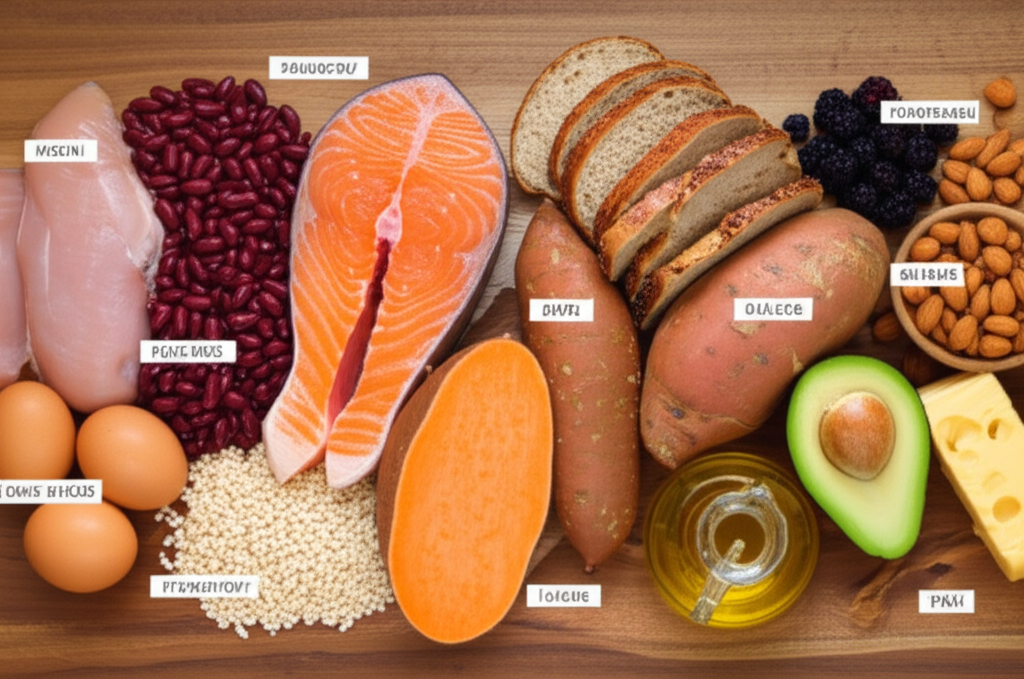
Everything you eat. every meal, every snack, every midnight handful of cereal. gets broken down into three macronutrients. These are the big categories your body actually works with:
Protein builds and repairs. Your muscles, organs, skin, hair, immune cells, enzymes, and hormones are all built from protein. When you eat chicken, eggs, beans, or fish, your body disassembles those proteins into amino acids and reassembles them into whatever it needs. Think of protein as the construction crew and the building materials rolled into one.
Carbohydrates are your body’s preferred energy source. When you eat bread, fruit, rice, or vegetables, your body converts the carbohydrates into glucose. the fuel your cells run on. Your brain alone uses roughly 120 grams of glucose per day (Mergenthaler et al., Trends in Neurosciences, 2013). Carbs aren’t optional extras. They’re the primary power grid.
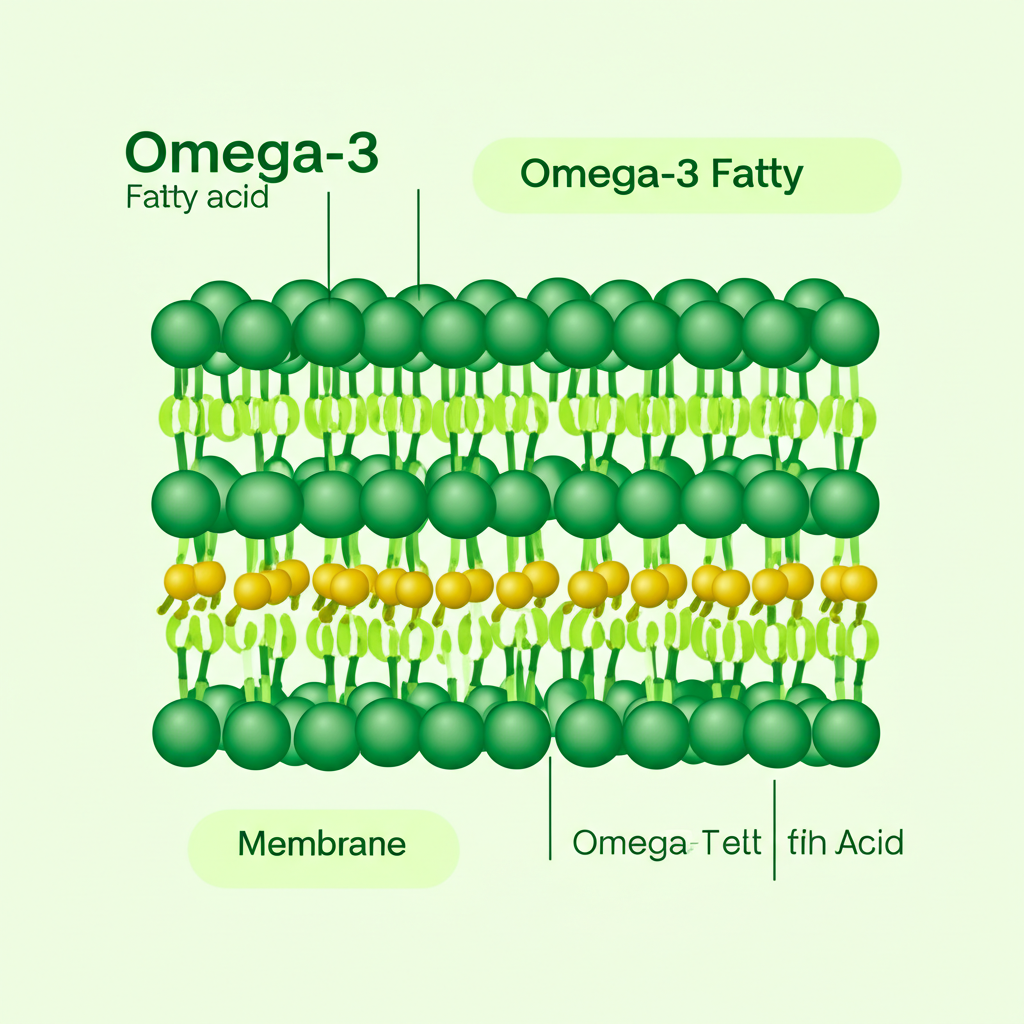
Fat does multiple jobs. It stores energy for later, cushions your organs, insulates your body, and. critically. builds cell membranes and supports hormone production. Every cell in your body has a fat-based membrane. Without adequate dietary fat, hormone signaling, vitamin absorption (A, D, E, K are all fat-soluble), and brain function are all compromised.
These three macronutrients account for virtually all the calories in everything you eat. That’s not a simplification. that’s how it actually works.
The Part Most People Miss: Micronutrients
Beyond the big three, food also delivers micronutrients. vitamins and minerals your body needs in smaller amounts but can’t function without. Iron carries oxygen in your blood. Calcium maintains bone density. Vitamin C supports immune function and collagen synthesis. B vitamins help convert food into usable energy.
You don’t need to memorize every micronutrient. You need to understand the principle: eating a variety of whole foods across different colors and categories is how most people cover their micronutrient needs without supplementation.
This is why “eat the rainbow” isn’t just a cute saying. different colors in produce generally signal different phytonutrient and vitamin profiles (Minich, Journal of Nutrition and Metabolism, 2019).
Water: The Overlooked Fourth Material
Water isn’t a macronutrient, but your body uses more of it than anything else. It transports nutrients to cells, removes waste, regulates temperature, cushions joints, and supports every chemical reaction in digestion.
You’re roughly 60% water by weight. Your body can survive weeks without food but only days without water. It’s the most fundamental nutrient, and the one people think about least.
The Decision Framework
Now that you know what food actually is, here’s how to use that knowledge:
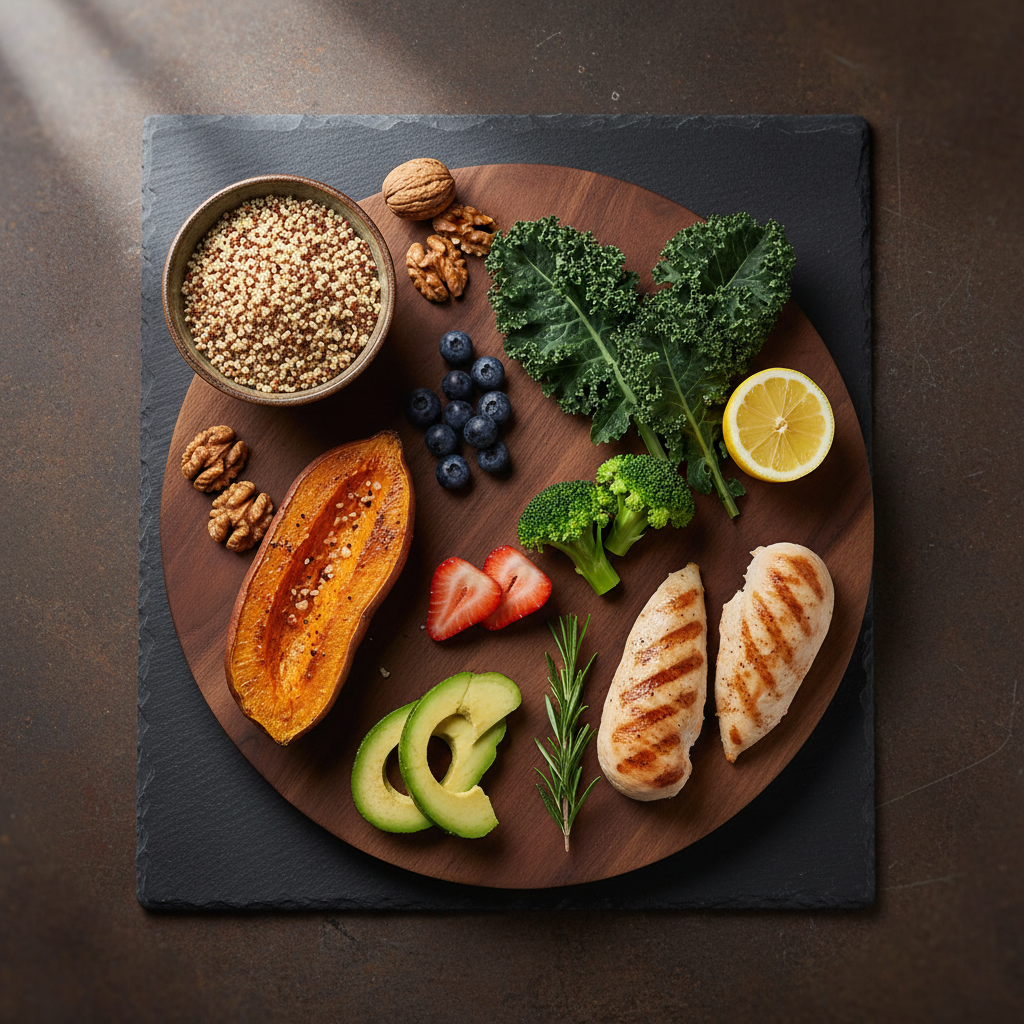
When choosing what to eat → ask: does this give my body useful raw materials? A meal with protein, some carbs, some fat, and a vegetable covers all three macronutrients plus micronutrients. That’s a functional meal. It doesn’t need to be perfect or photogenic.
When evaluating a diet trend → ask: does this cut out an entire raw material category? If a diet eliminates all carbs or all fat, it’s removing one of the three things your body uses to function. That doesn’t mean it can’t work short-term, but it means your body is making trade-offs.
When reading a nutrition label → ask: what’s the macronutrient balance? Protein, carbs, fat. those three lines tell you what the food actually provides. The rest is detail. Start there.
Myth vs. Reality
Myth: Some foods are “good” and others are “bad.”
Fact: Food is building material. Some materials are more useful in certain amounts. Neither is morally good or bad. they serve different functions.
Myth: Calories are the only thing that matters.
Fact: Calories measure energy, but they don’t tell you what raw materials the food provides. 200 calories of salmon and 200 calories of soda deliver wildly different building materials.
Myth: You need to track every nutrient to eat well.
Fact: Eating a variety of whole foods across the week covers most nutritional bases without tracking anything.
Myth: Processed food is always harmful.
Fact: “Processed” is a spectrum. Frozen vegetables are processed. The question is always: what raw materials does this food deliver?
What to Notice This Week
You don’t need to change anything yet. Just start seeing food differently:
- At your next meal, mentally identify the protein, the carbs, and the fat. Most meals have all three. you just haven’t been looking.
- Count the colors on your plate. One color = one micronutrient profile. Two or more = broader coverage.
- Notice what’s missing. If every meal is mostly one macronutrient, you’re giving your body an unbalanced supply run.
At your next meal, answer three questions:
Where’s the protein? (Lentils, beans, chickpeas, hemp seeds, nuts, or eggs)
Where’s the energy? (Grains, fruit, starchy vegetables)
Where’s the fat? (Olive oil, nuts, avocado, seeds, coconut)
If you can point to all three, your body has what it needs. That’s the foundation everything else builds on.