
Food Literacy
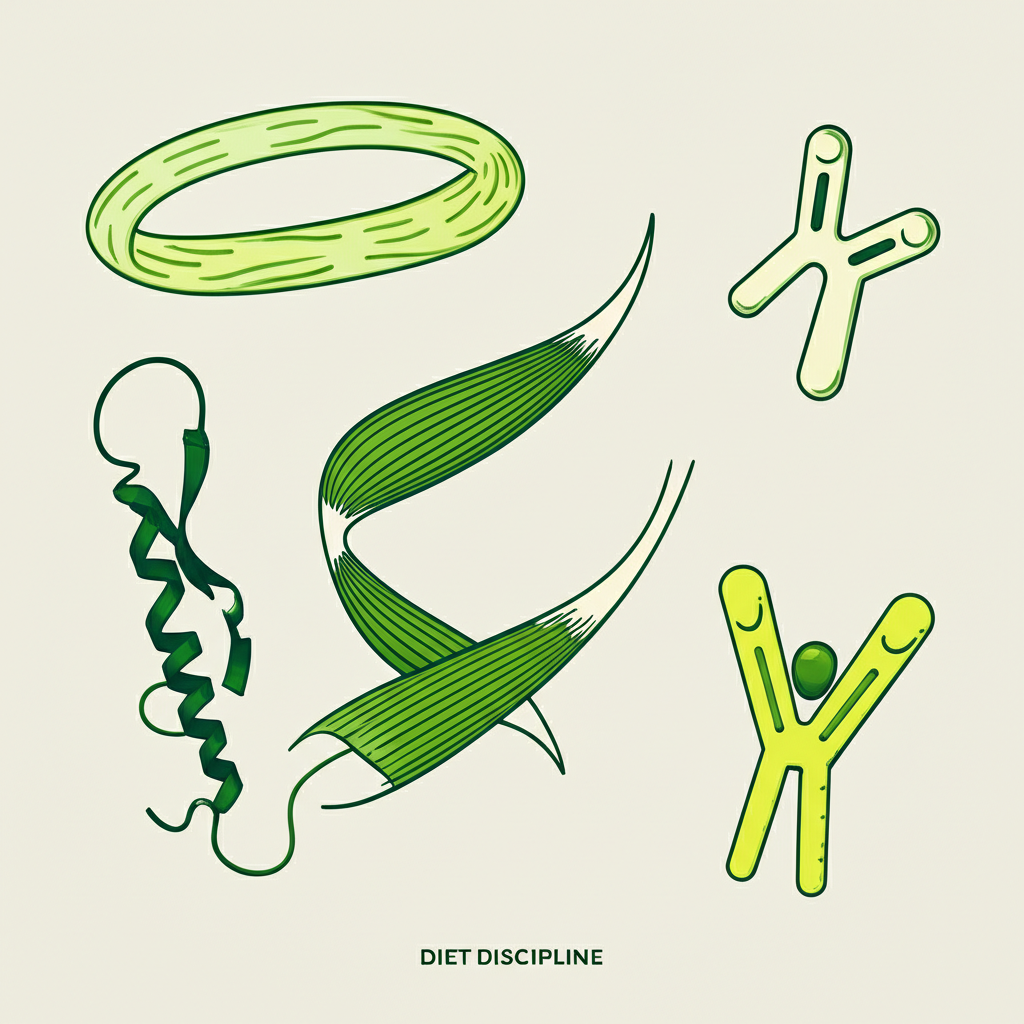
Right now, your body is replacing itself. Skin cells are shedding and regenerating. Red blood cells are being born in your bone marrow. The lining of your small intestine replaces itself every 3-5 days. Your body produces roughly 330 billion new cells daily (Sender et al., Cell, 2016).
Every one of those cells needs building material. That building material is protein.
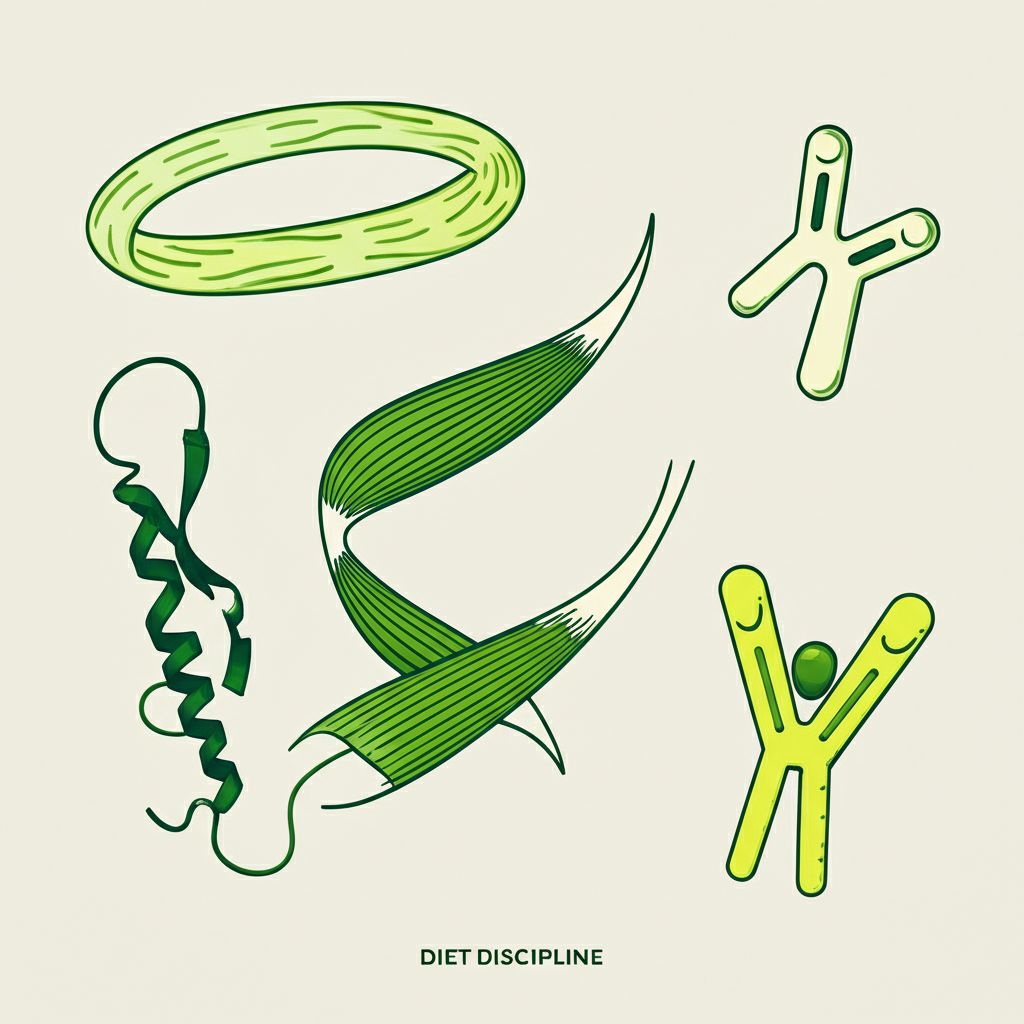
Most people associate protein with muscle. gym culture, protein shakes, six-packs. But muscle is just one of the things protein builds. It also builds enzymes that digest your food, antibodies that fight infections, hemoglobin that carries oxygen in your blood, and hormones that regulate everything from your mood to your metabolism. Protein is less about getting jacked and more about keeping you functional at the cellular level.
The Principle
Protein is your body’s primary building material. It constructs and repairs tissues, produces the enzymes and hormones that run your systems, and supports immune function. Without adequate protein, your body can’t maintain itself. it doesn’t matter how many calories you eat if the raw materials are missing.
What Protein Actually Is
Proteins are large molecules made from smaller units called amino acids. Think of amino acids as LEGO bricks. there are 20 different types, and your body combines them in different sequences to build different structures. A muscle fiber is one arrangement. A digestive enzyme is another. An antibody is another.
Your body can make 11 of the 20 amino acids on its own. The other 9. called essential amino acids. must come from food. This is why protein quality matters, not just quantity.
- Complete proteins contain all 9 essential amino acids in sufficient amounts. Sources: quinoa, hemp seeds, buckwheat, eggs, or combining legumes with grains.
- Incomplete proteins are lower in one or more essential amino acids. Sources: most beans, grains, nuts, seeds.
This doesn’t mean incomplete proteins are inferior. You don’t need every amino acid in every meal. As long as you eat a variety of protein sources across the day, your body assembles what it needs (Young & Pellett, American Journal of Clinical Nutrition, 1994).
What Protein Does in Your Body
Structural: Muscle fibers, skin, hair, nails, connective tissue, bone matrix. Collagen. the most abundant protein in your body. provides the scaffolding for your skin, tendons, and cartilage.
Functional: Digestive enzymes (like amylase and pepsin), transport proteins (hemoglobin carries oxygen, albumin carries hormones), signaling hormones (insulin is a protein).
Protective: Antibodies are proteins. Your immune system builds them to identify and neutralize specific threats. Without adequate protein, immune function declines. this is why protein intake matters more during illness and recovery (Calder et al., British Journal of Nutrition, 2002).
Energetic: Protein provides 4 calories per gram as a backup energy source. But your body prefers to use carbs and fat for fuel and save protein for building. Your body only burns significant protein for energy when carbs and fat are depleted or when you eat more protein than you need for construction.
How Much You Actually Need
The standard recommendation is 0.8 grams of protein per kilogram of body weight per day for the average adult (Institute of Medicine, 2005). For a 70 kg (154 lb) person, that’s 56 grams daily.
But “adequate to prevent deficiency” and “optimal” aren’t the same thing. Current research suggests higher intakes may be beneficial:
| Activity Level | Protein (g/kg/day) |
|---|---|
| Sedentary adults | 0.8-1.0 |
| Regularly active adults | 1.2-1.6 |
| Older adults (65+) | 1.0-1.2 |
| Strength training / athletes | 1.6-2.2 |
(Phillips et al., Journal of the International Society of Sports Nutrition, 2017)
What does 56 grams of protein look like in actual food?
- 1 cup cooked lentils: ~18g protein
- 1 cup cooked chickpeas: ~15g protein
- 1 cup cooked black beans: ~15g protein
- 3 tbsp hemp seeds: ~10g protein
- 1/4 cup almonds: ~7g protein
- 2 large eggs: ~12g protein
Most people eating a varied diet get enough protein without trying. The people most at risk for inadequate intake are those on heavily restricted diets, older adults with reduced appetite, and people relying heavily on ultra-processed foods that are calorie-rich but protein-poor.
The Thermic Advantage
Digesting food itself costs energy. the thermic effect of food. Protein has the highest thermic effect of the three macronutrients:
| Macronutrient | Thermic Effect |
|---|---|
| Protein | 20-30% of calories used in digestion |
| Carbohydrates | 5-10% |
| Fat | 0-3% |
(Westerterp, Nutrition & Metabolism, 2004)
This means if you eat 100 calories of protein, your body uses 20-30 of those calories just processing it. This is one reason higher-protein meals tend to feel more satisfying. your body is doing more metabolic work, which keeps you feeling full longer.
The Decision Framework
When planning a meal → include a protein source. Not because protein is “better” than carbs or fat, but because it serves a unique structural function the other macros can’t replace. Your body can convert carbs to fat and vice versa. It can’t build enzymes, antibodies, or muscle from fat.
When choosing between protein sources → variety matters more than perfection. You don’t need to optimize every meal. Eat a range of sources across the day and week.
When you hear “you need more protein” → ask: more than what? Context matters. A 130 lb sedentary person and a 200 lb athlete have very different needs. Don’t let marketing set your targets.
Myth vs. Reality
Myth: You can only absorb 30g of protein per meal.
Fact: Your body absorbs all the protein you eat. it just takes longer with larger amounts. There’s no hard cutoff. Spreading intake across meals may optimize muscle protein synthesis, but nothing is “wasted” (Schoenfeld & Aragon, JISSN, 2018).
Myth: Plant proteins are incomplete and inferior.
Fact: Most plant proteins are lower in one or more essential amino acids, but eating a variety of plant foods across the day provides all the amino acids you need.
Myth: High protein intake damages your kidneys.
Fact: In people with healthy kidneys, higher protein intake has not been shown to cause kidney damage (Devries et al., British Journal of Sports Medicine, 2018).
Myth: You need protein immediately after a workout.
Fact: The “anabolic window” is much wider than supplement marketing suggests. Total daily protein intake matters more than timing (Schoenfeld et al., JISSN, 2013).
What to Notice This Week
- Track your protein for one day. just one. Not to optimize, just to observe. How many grams did you eat? Where did they come from?
- Notice how long different meals keep you full. Meals with a solid protein source tend to sustain you longer. That’s the thermic effect and slower digestion at work.
- Look at the next packaged food you pick up. How many grams of protein per serving? Compare it to a whole food source. The difference is usually significant.
Try this today: Pick one meal and count the protein. Look up the grams in whatever you’re eating. Don’t change anything. just notice. Is there a protein source in the meal? How much? That awareness alone shifts how you build plates over time.
Your body is building 330 billion cells today. Give it something to work with.